

Hot flashes are one of the most common—and most disruptive—symptoms of perimenopause and menopause. If you're tired of sudden heat waves and embarrassing sweat sessions, here's what the research says actually works.
Understanding Hot Flashes
Hot flashes occur when your brain's temperature regulation center becomes more sensitive due to declining estrogen levels. This triggers a cascade of responses: blood vessels dilate, your heart rate increases, and you feel an intense wave of heat.
Lifestyle Changes That Help
Identify your triggers: Common triggers include alcohol, caffeine, spicy foods, stress, and warm environments. Keep a log to identify your personal triggers.
Dress in layers: This allows you to adjust as needed when a hot flash hits.
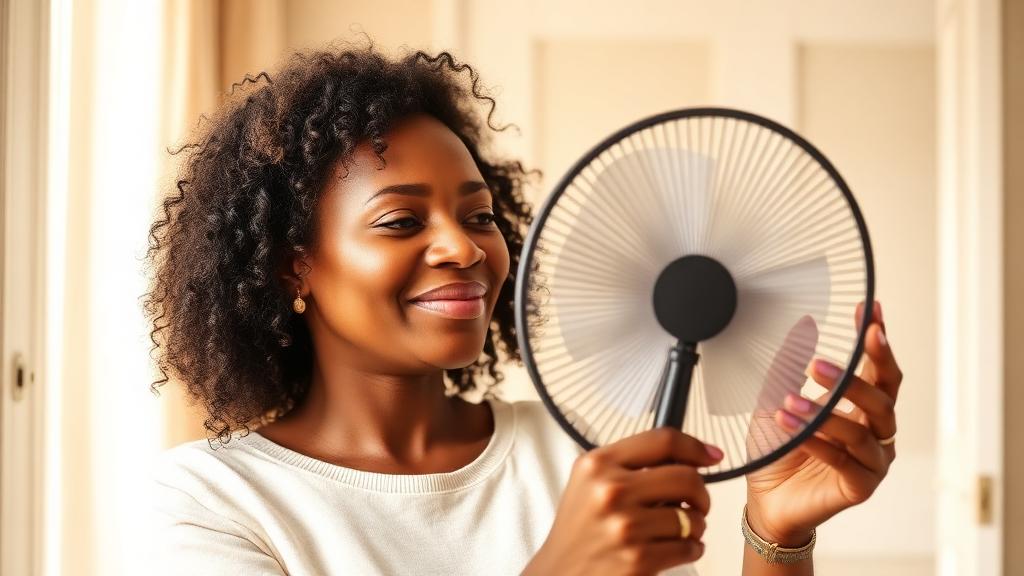
Keep your environment cool: Use fans, keep ice water nearby, and sleep in a cool room.
Practice stress management: Stress can trigger hot flashes. Techniques like deep breathing, meditation, and yoga can help.
Evidence-Based Natural Approaches
While many supplements are marketed for hot flashes, the evidence varies. Here's what research supports:
- **Black cohosh** may provide modest relief for some women
- **Phytoestrogens** from soy and other plants may help
- **Evening primrose oil** shows mixed results but is worth trying
- **Acupuncture** has shown promise in some studies
When Natural Isn't Enough
If lifestyle changes and supplements aren't providing enough relief, hormone therapy remains the most effective treatment for hot flashes. Modern bioidentical hormone therapy is safe for most women and can dramatically reduce hot flash frequency and severity.