The Treatment
What Menopause Actually Is — Not What You Were Told to Accept
Menopause is defined as the point when you've gone twelve consecutive months without a menstrual period — meaning your ovaries have stopped releasing eggs and hormone production has settled at its new, lower baseline. The average age in the United States is 51, but the normal range extends from 45 to 58. If your final period occurs before 45, it's considered early menopause. Before 40, it's premature menopause.
But here's the problem with that definition: it reduces menopause to a calendar event — one day when a clock runs out. In reality, menopause is the culmination of years of hormonal transition (perimenopause) and the beginning of decades of life (postmenopause) that are profoundly affected by what your hormones are — and aren't — doing. Women spend roughly 40% of their lives in the postmenopausal phase. That's not an epilogue. That's a major act.
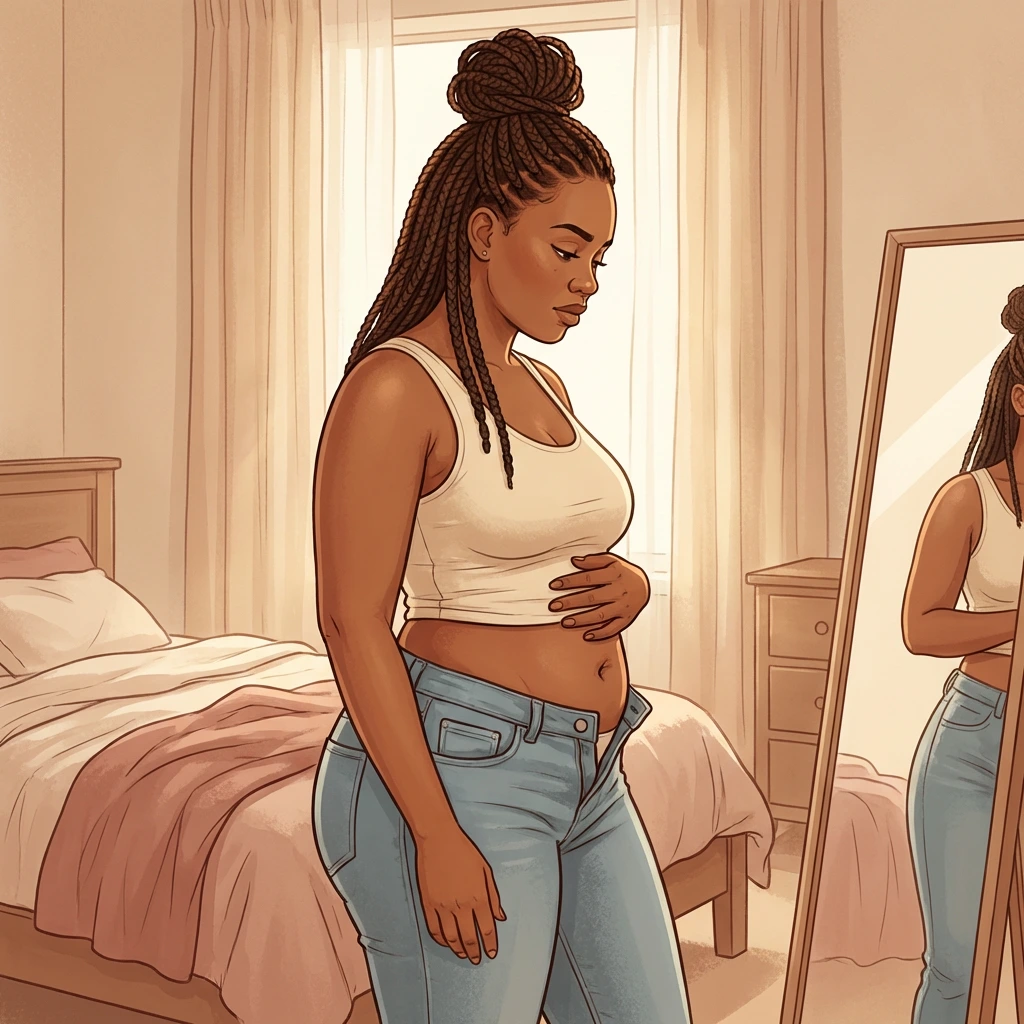
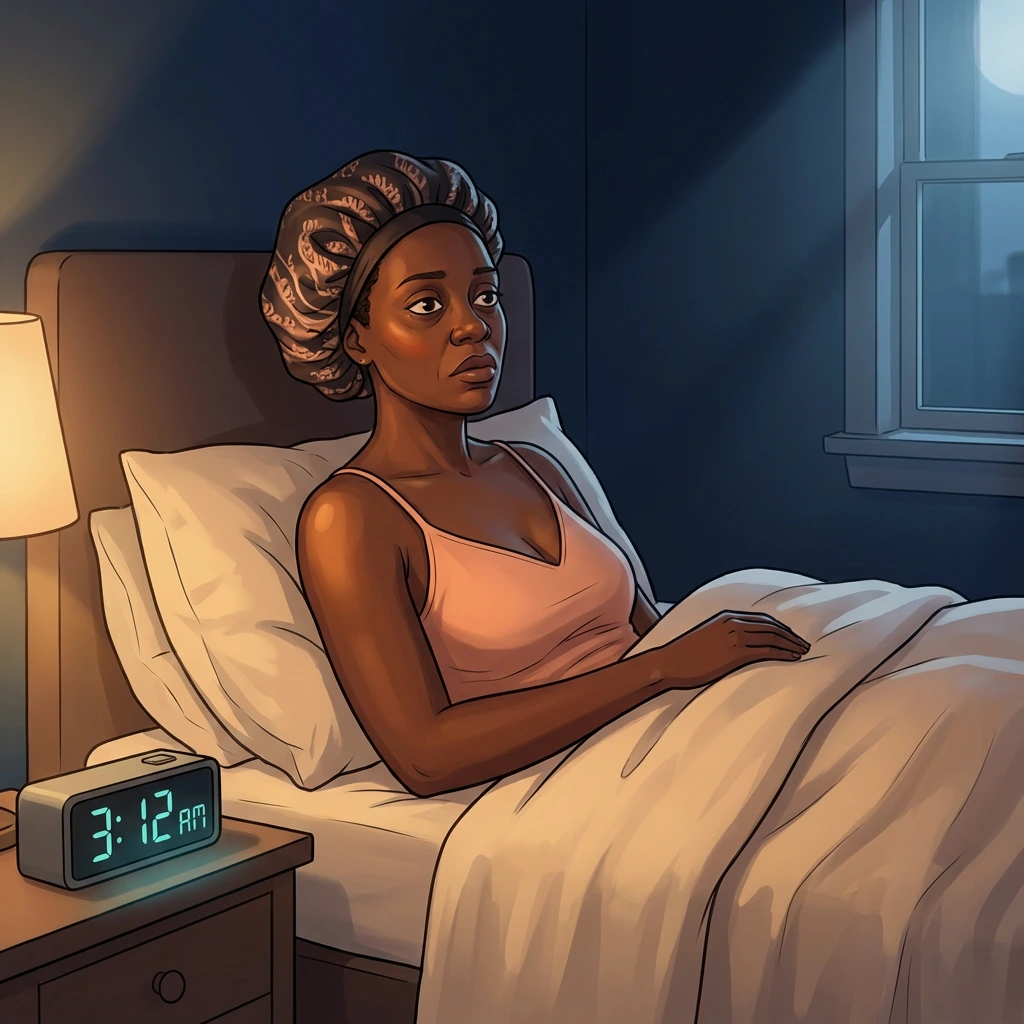
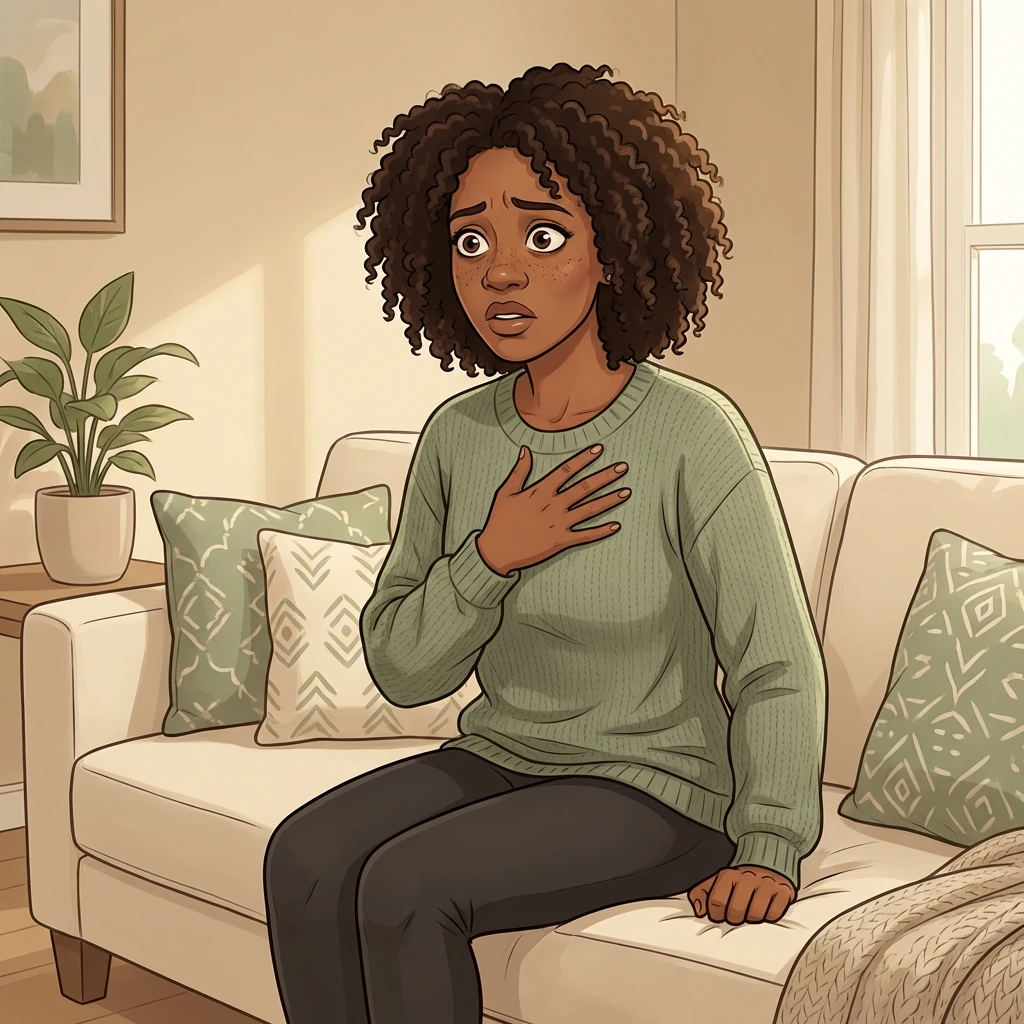
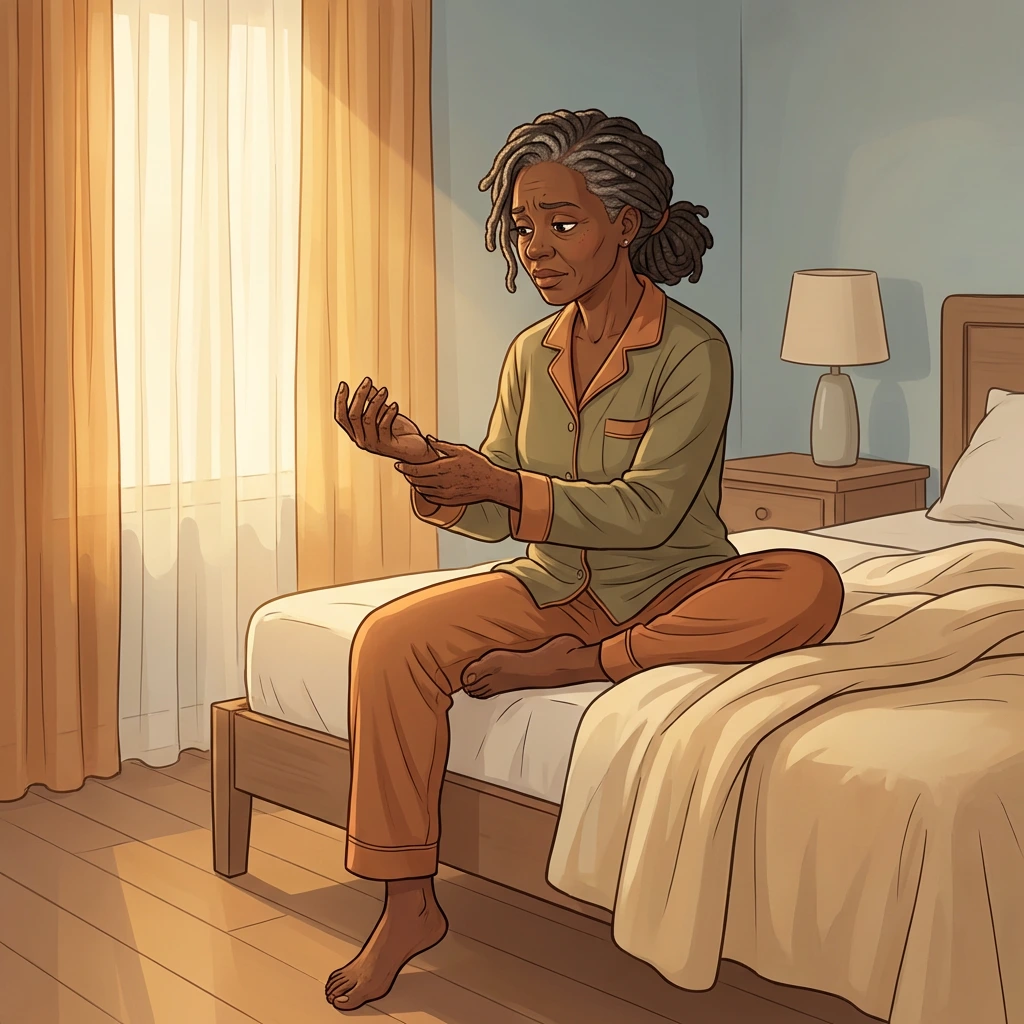
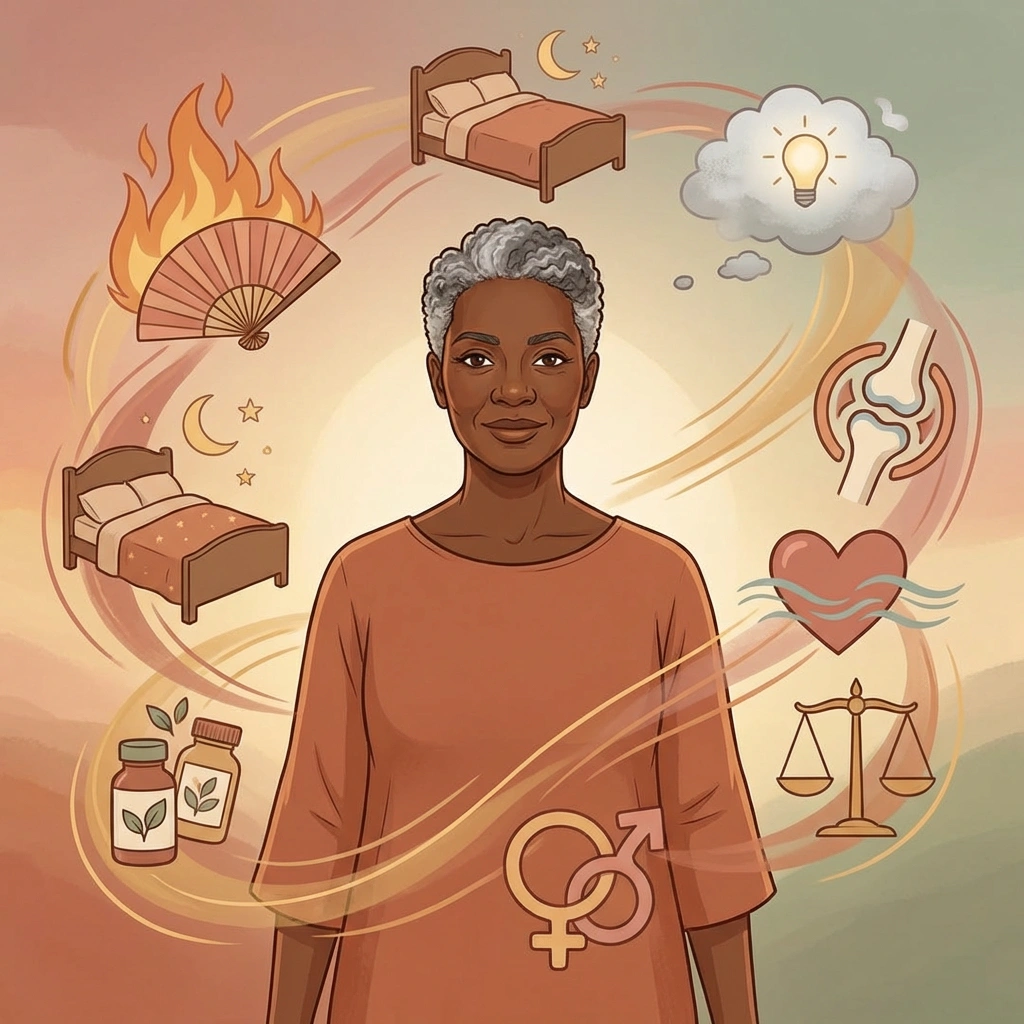
The symptoms most women associate with menopause — hot flashes, night sweats, weight gain, mood changes, brain fog, low libido, vaginal dryness, joint pain, sleep disruption — often begin during perimenopause and can persist well into the postmenopausal years. For some women, vasomotor symptoms last a decade or more. The idea that menopause is a brief inconvenience you push through is a myth that has cost millions of women years of unnecessary suffering.
What's changing in 2026 is the medical consensus. International health organizations are increasingly treating menopause as a serious clinical event — a longevity inflection point that affects cardiovascular health, bone density, cognitive function, metabolic health, and quality of life. Not a lifestyle inconvenience. Not something to endure. A medical reality that deserves the same clinical seriousness as any other major health transition.