
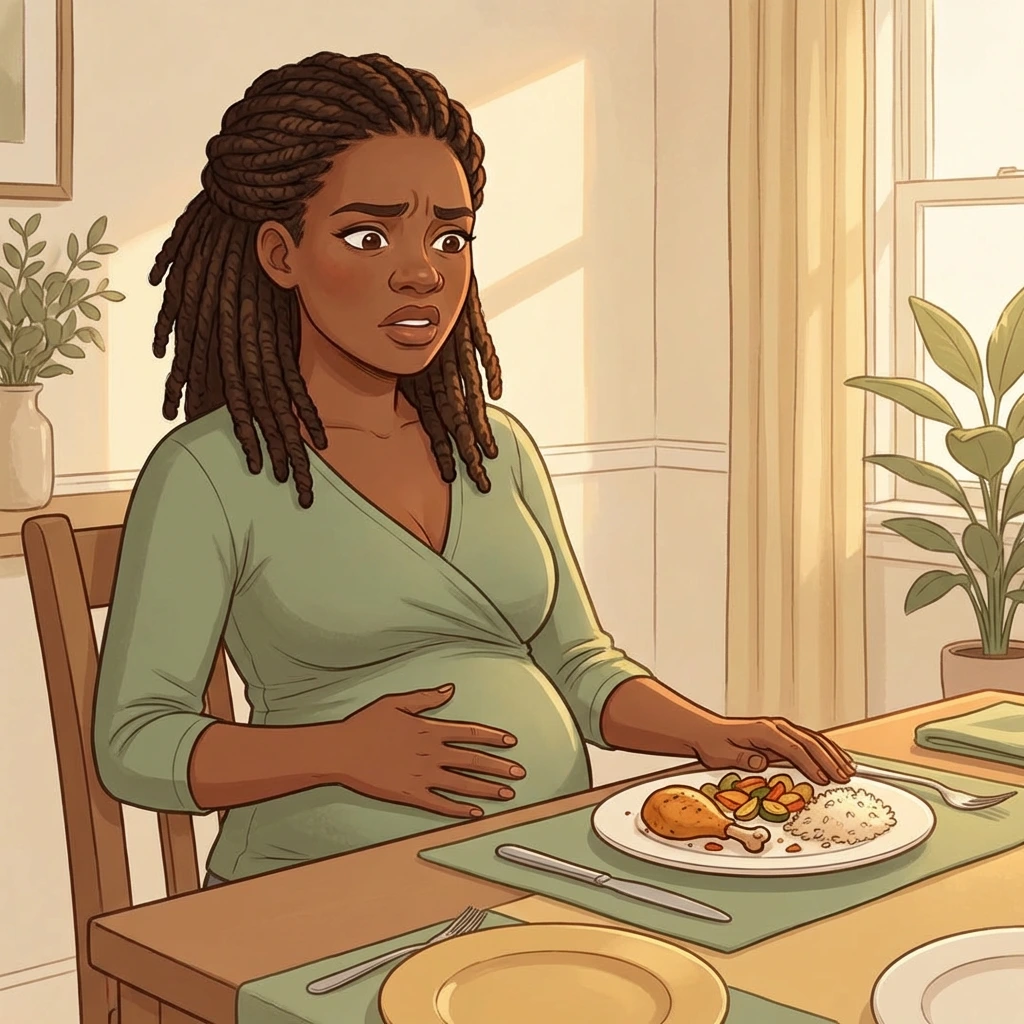

You Look Pregnant by 3 PM and You Haven't Eaten Anything Unusual
Mornings are usually fine. Your stomach is flat, you feel comfortable. Then as the day progresses, the bloating builds. By afternoon, your pants are tight. By evening, your belly is visibly distended. You look at yourself in the mirror and wonder what happened — you ate the same foods you always eat.
For some women, the bloating is constant — a low-grade puffiness that never fully resolves. For others, it's cyclical and correlates with hormonal shifts. Some notice changes in bowel habits too — more constipation, or alternating between constipation and loose stools, or increased gas after meals.
The frustration is compounded by the fact that conventional digestive advice doesn't help. You eliminate dairy. You cut gluten. You drink more water. You try probiotics. And the bloating continues, because nobody has connected it to the hormonal changes happening underneath.
"I look six months pregnant by dinnertime. Same food I've eaten for years. Nothing changed except my hormones."
— Age 41
Your Gut Has Hormone Receptors — and They're Noticing the Change
The gastrointestinal tract is densely populated with estrogen and progesterone receptors. These hormones influence gut motility (how quickly food moves through your system), fluid retention, bile production, intestinal permeability, and even the composition of your gut microbiome.
Progesterone slows gut motility — that's why constipation and bloating are common in the second half of the menstrual cycle and during pregnancy. During perimenopause, progesterone fluctuations can create unpredictable shifts between sluggish digestion and more rapid transit.
Estrogen influences bile acid metabolism, which affects how efficiently your body processes fats. Fluctuating estrogen can alter bile flow and fat digestion, contributing to the sense of heaviness and bloating after meals.
The estrobolome — a subset of your gut microbiome that specifically metabolizes estrogen — is increasingly recognized as a player. When the microbiome shifts during hormonal transitions, estrogen metabolism can become less efficient, creating a feedback loop.
Cortisol affects digestion too. Stress slows gastric emptying, reduces blood flow to the gut, increases intestinal permeability, and promotes inflammatory responses in the digestive tract.
How It Happens
Bloating Has Multiple Possible Contributors
Food sensitivities can emerge or intensify during perimenopause. Changes in gut permeability and microbiome composition may create new sensitivities to foods you've tolerated for years.
Small intestinal bacterial overgrowth (SIBO) is an increasingly recognized cause of persistent bloating, particularly bloating that occurs within 30 to 90 minutes of eating.
Thyroid dysfunction — particularly hypothyroidism — slows gut motility and can cause constipation and bloating.
Insulin resistance and poor blood sugar regulation can contribute to bloating through inflammatory pathways.
Pelvic floor changes during perimenopause can affect bowel function. Weakening of pelvic floor muscles can contribute to incomplete evacuation, which presents as bloating and discomfort.
"I cut dairy, gluten, sugar, and FODMAPs. Still bloated. Turns out it was hormonal the whole time."
— Age 46
SIBO
Small intestinal bacterial overgrowth produces bloating, gas, and discomfort that overlaps significantly with hormonal bloating.
Ask about: Lactulose breath test for SIBO
Thyroid Dysfunction
Hypothyroidism slows gut motility, contributing to constipation and bloating.
Ask about: Full thyroid panel with antibodies
Food Sensitivities
Hormonal changes can alter gut permeability, creating new sensitivities to previously tolerated foods.
Ask about: Structured elimination diet protocol
When to See a Provider Promptly
- •Persistent abdominal pain
- •Unintentional weight loss
- •Blood in stool
- •Difficulty swallowing
A Food and Symptom Log Tells the Real Story
Track what you eat and when bloating occurs. Note the timing between meals and symptom onset. Bloating within an hour suggests upper GI or SIBO involvement. Bloating later in the day may point toward motility or hormonal patterns.
Note bowel habits. Frequency, consistency, ease of passage, any urgency or incomplete emptying.
Connect bloating to your cycle if you're still menstruating. Hormonal bloating often worsens in the luteal phase.
Document stress levels. High-stress days often correlate with worse digestive symptoms.
Note any other new symptoms. Fatigue, skin changes, mood changes, joint pain — if your gut changes arrived alongside other perimenopause symptoms, the hormonal connection becomes more clear.
Symptom Tracker — Perimenopause Bloating
Track these for 2–4 weeks before your appointment
💾 Save this tracker — bring it to your first appointment
We Look at Your Gut Through a Hormonal Lens
At Pause & Reset, digestive changes during perimenopause aren't treated as a standalone GI problem. They're evaluated as part of the broader hormonal and metabolic picture.
Our approach considers the hormone-gut connection first: where are your estrogen and progesterone levels, and how are those fluctuations affecting gut motility and microbiome function? We also assess thyroid function, cortisol patterns, insulin dynamics, and markers of gut inflammation.
Dr. Nina recognizes that bloating during perimenopause is often the body's way of signaling that multiple systems are shifting at once. Addressing the hormonal environment frequently improves digestive function — sometimes surprisingly quickly.
The goal is to help you eat comfortably again, without the daily guessing game. When the underlying hormonal and metabolic environment is corrected, your gut usually finds its rhythm again.