

When Willpower Stops Working Against Cravings
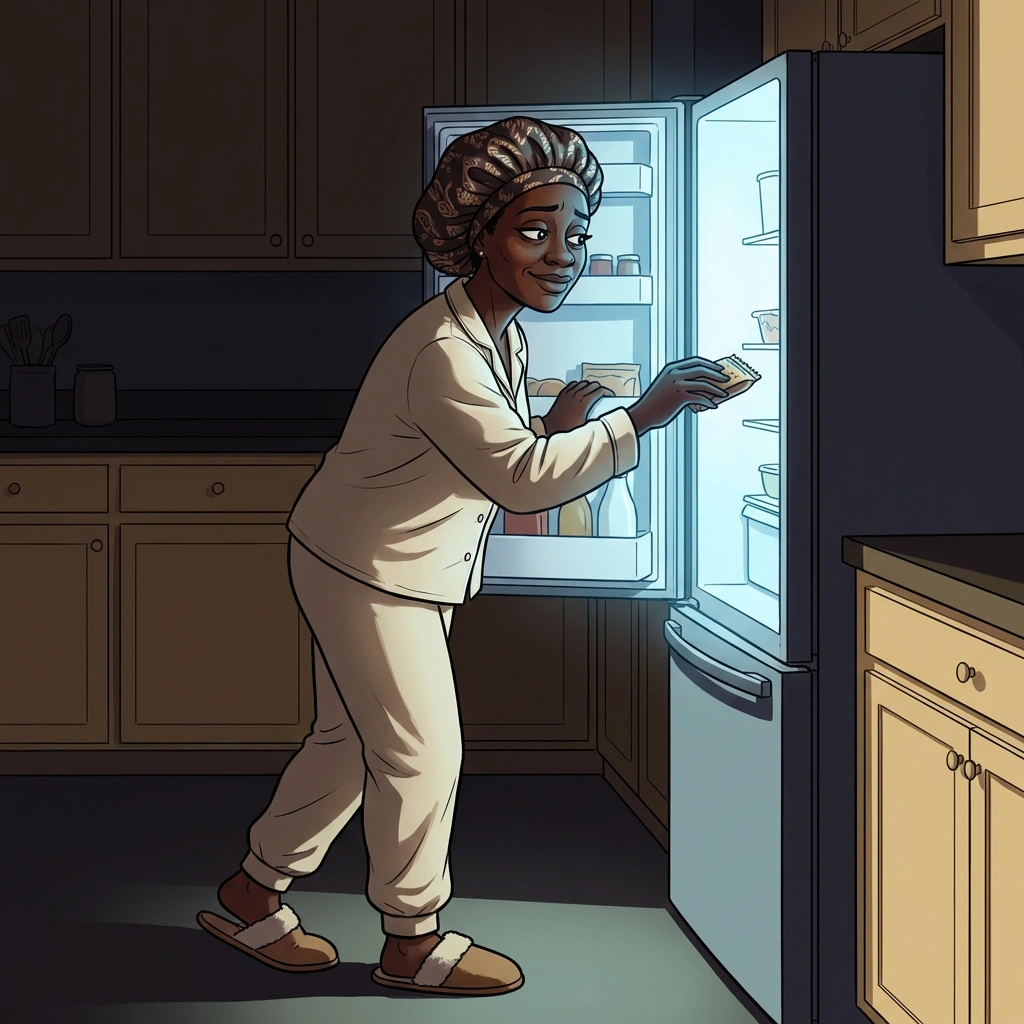
The cravings hit hardest in the afternoon and evening. By 3 PM, the pull toward sugar or carbs feels less like a preference and more like a compulsion. Chocolate, bread, pasta, chips, cookies — anything that delivers fast glucose and a moment of neurochemical relief. You eat it, feel momentarily better, and then crash harder. The cycle repeats. By bedtime, you're standing in the kitchen eating things you don't even particularly enjoy because the drive is that strong.
What makes this especially frustrating is the contrast with your former self. You had discipline. You made good food choices. You maintained your weight. Then perimenopause arrived and suddenly you're battling cravings that feel like a different person is making your food decisions. The guilt compounds everything — you feel weak, undisciplined, like you've lost control. But this isn't a willpower problem. It's a neurochemistry problem.
Many women notice the cravings intensify premenstrually — the luteal phase when progesterone and estrogen both drop. Some women notice cravings worsen after poor sleep (which disrupts hunger hormones leptin and ghrelin). The pattern isn't random — it correlates with hormonal and neurochemical fluctuations that have specific, identifiable mechanisms.
The weight gain that follows feels inevitable. Increased caloric intake from cravings + metabolic changes from insulin resistance + cortisol-driven fat storage = a body composition shift that diet and exercise alone can't reverse. Women try restriction diets, which worsen the cravings. They try willpower, which works for a few days then fails. The cycle of craving-eating-guilt-restriction-craving is exhausting — and it only stops when the underlying drivers are addressed.
"I used to be disciplined with food. At 43 I was standing in my kitchen at 10 PM eating cereal out of the box. It wasn't about willpower — my brain was screaming for something I couldn't identify. Turns out it was serotonin."
— Age 43
Three Neurochemical Mechanisms Behind Hormonal Cravings
MECHANISM 1 — INSULIN RESISTANCE: Estrogen helps maintain insulin sensitivity. When estrogen declines during perimenopause, cells become less responsive to insulin — meaning your body has to produce more insulin to manage the same amount of glucose. Higher circulating insulin produces blood sugar instability: spikes followed by rapid drops. Those drops trigger intense hunger and carb cravings because your brain is registering a glucose emergency — even when overall blood sugar isn't critically low. The cravings are your brain's survival response to perceived energy scarcity.
MECHANISM 2 — SEROTONIN DEFICIT: Estrogen supports serotonin synthesis and receptor sensitivity. When estrogen drops, serotonin activity decreases. Low serotonin produces mood changes (anxiety, irritability, low mood) and also drives carbohydrate cravings specifically. Why? Because carbohydrate consumption triggers tryptophan entry into the brain, which increases serotonin production. Your brain has learned that eating carbs temporarily boosts serotonin — so it drives you toward carbs as a self-medication strategy. The craving for bread and sugar is literally your brain trying to fix its serotonin deficit.
MECHANISM 3 — DOPAMINE REWARD PATHWAY: Estrogen modulates the dopamine reward system — the same system that provides feelings of pleasure, satisfaction, and motivation. When estrogen declines, dopamine signaling decreases. The brain compensates by seeking external dopamine hits — and highly palatable foods (sugar, fat, salt combinations) are among the most accessible. The cravings aren't about hunger. They're about reward-seeking behavior in a dopamine-depleted brain.
Cortisol — elevated during perimenopause from HPA axis dysregulation and poor sleep — adds a fourth driver. High cortisol directly stimulates appetite, preferentially drives cravings for calorie-dense comfort foods, and promotes visceral fat storage from whatever is consumed. Cortisol cravings tend to peak in the evening and produce the 'standing in the kitchen at 10 PM' phenomenon that so many perimenopausal women describe.
How It Happens
Cravings Are Metabolic Data, Not Moral Failure
The most important reframe for perimenopausal food cravings is this: they are diagnostic information, not character flaws. Intense sugar cravings suggest insulin resistance and blood sugar instability. Carb cravings suggest serotonin deficit. Comfort food seeking suggests dopamine depletion. Evening and nighttime cravings suggest cortisol dysregulation and poor sleep. Each pattern points to a specific mechanism that can be tested and treated.
The diet industry makes this worse. Restrictive diets — calorie counting, carb cutting, intermittent fasting — can actually amplify perimenopause cravings by further stressing the already-stressed metabolic and neurochemical systems. Caloric restriction increases cortisol. Carb restriction worsens serotonin deficit. Extended fasting destabilizes blood sugar further. The diets that worked in your thirties may be counterproductive in your forties.
Sleep deprivation — nearly universal during perimenopause — independently disrupts hunger hormones. Poor sleep increases ghrelin (hunger hormone), decreases leptin (satiety hormone), and impairs executive function (the brain's ability to override impulse). A perimenopausal woman running on poor sleep, low serotonin, and insulin resistance is fighting multiple biochemical drives simultaneously. Willpower doesn't stand a chance against that combination.
Cravings also connect to the weight gain page in important ways. The metabolic changes driving cravings are the same changes promoting fat storage — particularly visceral fat. Addressing the root (hormonal, metabolic, and neurochemical) addresses both the cravings and the weight simultaneously, rather than fighting one symptom at a time.
"Three months after starting HRT, the sugar cravings just... stopped. Not gradually — they just weren't there anymore. That's when I knew it had been hormonal the whole time."
— Age 46
Insulin Resistance
Blood sugar roller coaster producing intense hunger and carb cravings — even when you've just eaten.
Ask about: Fasting insulin, HbA1c, glucose — the metabolic trio
Serotonin Deficit
Carb cravings specifically = your brain seeking tryptophan for serotonin production. It's neurochemistry, not weakness.
Ask about: Hormonal evaluation + tryptophan-rich dietary strategies
Sleep Deprivation Effect
Poor sleep increases ghrelin (hunger), decreases leptin (fullness), and impairs impulse control. Triple threat for cravings.
Ask about: Sleep assessment + progesterone for sleep support
Cortisol-Driven Eating
Evening comfort food seeking = elevated cortisol promoting calorie-dense intake + visceral fat storage.
Ask about: Cortisol rhythm assessment + stress management strategies
When to See a Provider Promptly
- •Uncontrollable eating with distress or purging — may indicate an eating disorder requiring specialized support
- •Extreme thirst with sugar cravings and frequent urination — screen for diabetes
- •Rapid weight gain with severe cravings — evaluate thyroid and metabolic function
Working With Your Brain Instead of Against It
Protein-first eating is the single most effective dietary strategy. Starting every meal with 25-30g of protein stabilizes blood glucose, reduces insulin spikes, and provides the amino acids (including tryptophan) that your brain needs for serotonin synthesis. Protein at breakfast is especially impactful — it sets blood sugar stability for the entire day and reduces afternoon craving intensity significantly.
Strategic carbohydrate timing works with the serotonin mechanism instead of against it. Including complex carbohydrates at dinner (sweet potato, rice, quinoa) naturally boosts evening serotonin production without the blood sugar crash that refined carbs produce. This can reduce nighttime cravings and improve sleep onset. The goal isn't eliminating carbs — it's choosing carbs that serve the neurochemistry rather than destabilize it.
Hormonal optimization addresses the upstream drivers. Estrogen replacement improves insulin sensitivity (reducing blood sugar instability), supports serotonin synthesis (reducing the neurochemical drive for carbs), and stabilizes the dopamine reward system (reducing compulsive food-seeking). Women who start hormone therapy often report that cravings diminish significantly within the first months — not because they gained willpower, but because the neurochemical deficit resolved.
Blood sugar management tools include: eating every 3-4 hours (preventing the drops that trigger cravings), pairing carbohydrates with protein and fat (slowing glucose absorption), walking after meals (improving glucose disposal), and considering supplements like chromium and berberine for additional insulin-sensitizing support. Magnesium glycinate at night can reduce cortisol and support both sleep and craving management.
Symptom Tracker — Food Cravings
Track these for 2–4 weeks before your appointment
💾 Save this tracker — bring it to your first appointment
We Read Cravings as Diagnostic Information
At Pause & Reset, food cravings during perimenopause are clinical data — not a lifestyle problem to be solved with a meal plan. Dr. Nina evaluates the metabolic environment (fasting insulin, glucose, HbA1c), the hormonal environment (estradiol, progesterone, cortisol), and the nutritional status (B vitamins, iron, magnesium, vitamin D) that collectively drive craving patterns.
Treatment addresses the mechanisms, not the symptoms. Hormonal optimization improves insulin sensitivity and serotonin function. Nutritional strategies work with your neurochemistry rather than against it. Metabolic support addresses the insulin resistance that drives blood sugar instability. And stress management and sleep optimization reduce the cortisol burden that amplifies everything.
If you've been told to 'just eat less and exercise more' during perimenopause — that advice fails to account for the neurochemical reality of what's driving your eating behavior. You don't need more willpower. You need your hormonal and metabolic environment evaluated and optimized. The cravings are a message. We help you read it.